The Blue Rings of Warning: Blue ringed octopus (Hapalochlaena lunulata) – #07
The Blue Rings of Warning
Tales Beneath the Surface #07
from Zero Gravity Diving
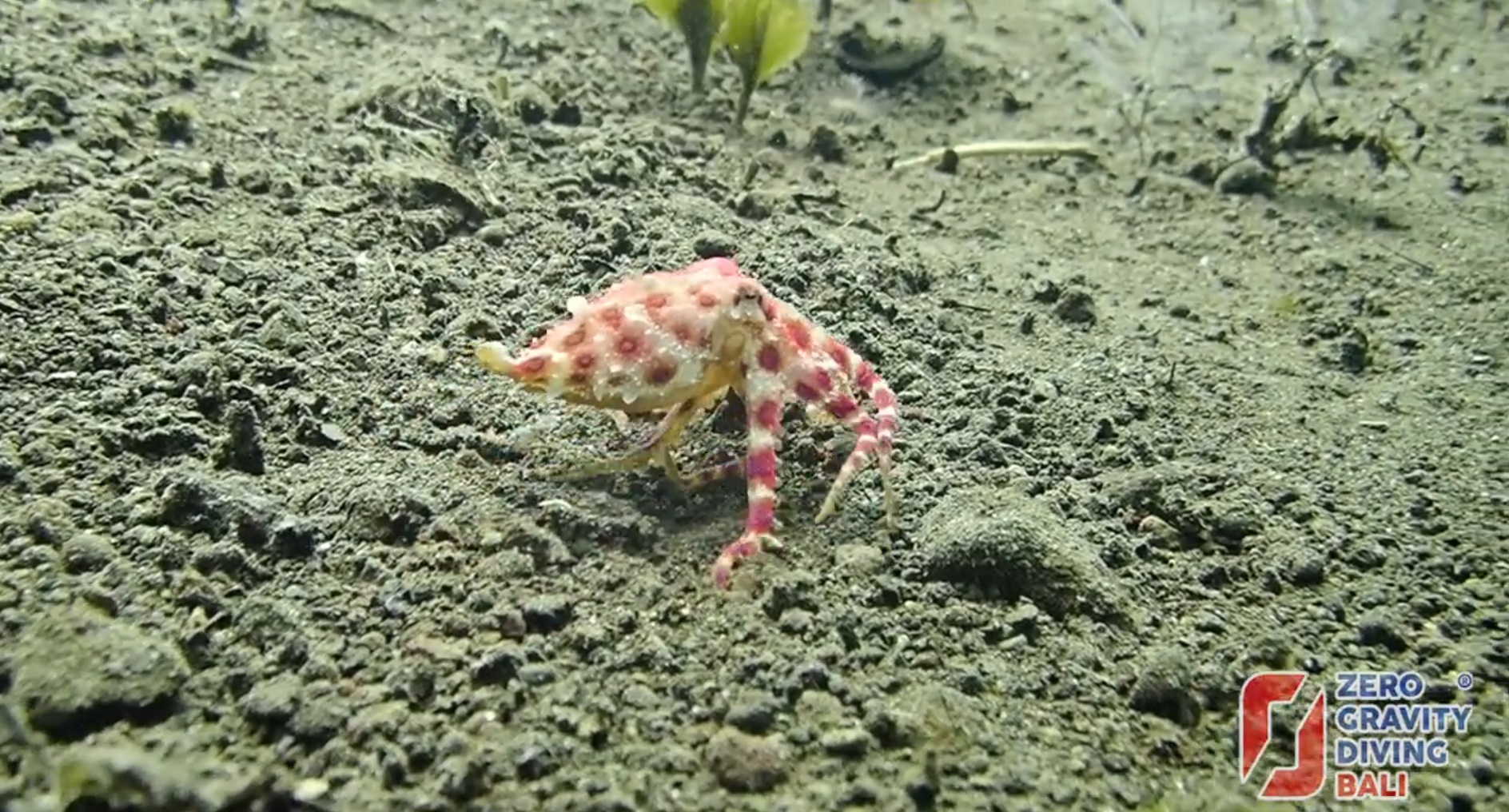
The blue ringed octopus is not a master of perfect camouflage like many other octopus species. Even at rest, it rarely disappears completely into its surroundings. Its body remains visible to those who know where and how to look.
The base color ranges from pale beige to soft pink, often marked by distinct circular patterns. These rings are always present, even when subdued.
They are not decoration.
They are preparation.
When the animal feels threatened, its nervous system activates specialized skin cells, chromatophores and iridophores. In an instant, the rings light up in an intense electric blue. This is not camouflage. It is an aposematic signal.
In nature, bright colors often mean the same thing.
Danger.
The blue ringed octopus produces tetrodotoxin, one of the most powerful neurotoxins found in the ocean. The toxin blocks sodium channels in the nervous system, leading to muscle paralysis, including the muscles responsible for breathing.
There is no antivenom.
The required dose is extremely small.
Despite this, the blue ringed octopus is not aggressive. Bites almost always occur due to direct contact, handling or pressure. Evolution has favored warning over attack.
Its diet consists mainly of small crabs and shrimp. Hunting is precise and efficient. The octopus pierces the prey’s exoskeleton with its beak and injects venom to immobilize it quickly.
No chase.
No waste of energy.
In Bali and throughout the Indo Pacific, Hapalochlaena lunulata is the most commonly documented species. It is recognized by its relatively large, well defined blue rings, often outlined with a subtle pink or purple hue.
For divers, encountering a blue ringed octopus is a special moment. Not because of fear, but because of clarity. This animal does not hide its boundaries. It marks them.
Beneath the surface, danger rarely shouts. It communicates quietly, clearly, and beautifully.
These stories are not meant to sensationalize marine life. They exist to deepen understanding.
And the blue ringed octopus reminds us of one essential rule of diving.
We are visitors here.
📘 After this story, we will share a separate post with important safety and marine biology information for divers regarding the blue ringed octopus.
📍 ZERO GRAVITY DIVING Sanur, Bali
📞 WhatsApp: +62 821 4650 4530
🌐 https://zerogravitydiving.com/
🌐 https://zerogravitydivingbali.com/
📍 Google Maps: https://maps.app.goo.gl/wUiiDaHUDajCtTvb9
📷 Instagram: @zero_gravity_diving
#TalesBeneathTheSurface #ZeroGravityDiving #BlueRingedOctopus #HapalochlaenaLunulata #MarineBiology #ScubaDiving #BaliDiving #IndoPacific
Contact Us for Scuba diving in Bali
Zero Gravity Diving
Mob / WA:+62 821 4650 4530
Jalan Sekuta No.71, Sanur
Denpasar, 80228 Bali, Indonesia